Are Solar Security Cameras Reliable for Your Home?

Time:2026-06-01 Author:Liam
0%

As homeowners increasingly seek effective security solutions, the question arises: Are Solar Security Cameras Reliable? Reports indicate that the global market for solar security cameras is expected to reach $1.2 billion by 2026, showcasing a growing trend toward sustainable technology. These cameras promise not only environmental benefits but also low operational costs. However, their reliability varies based on several factors.

Many users report satisfaction with solar-powered systems, particularly in sunny regions. Yet, in areas with inconsistent sunlight or extreme weather, performance may decline. A study by Consumer Reports found that while some models function well, others fall short, causing potential blind spots. This inconsistency prompts reflection on their overall reliability.

Reliability also hinges on installation and maintenance. Proper positioning can enhance effectiveness, but improper setup may lead to failures. While solar cameras often tout robust battery life, real-world usage reveals that battery performance can degrade over time, raising concerns. As we explore the effectiveness of solar security cameras, it’s crucial to weigh user experiences against industry findings.
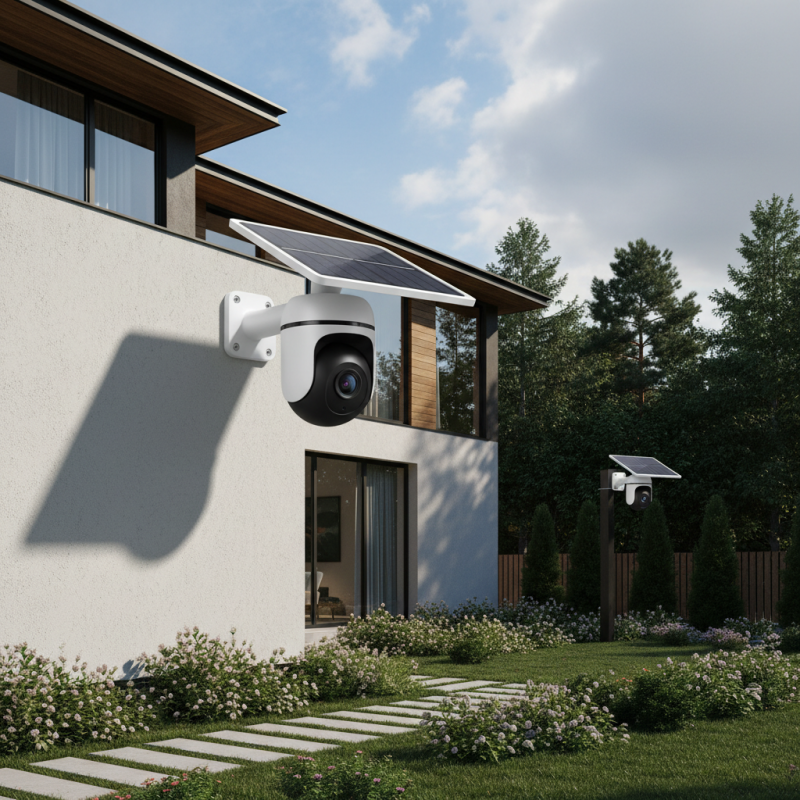
Are Solar Security Cameras Reliable for Your Home?

What Are Solar Security Cameras?

Solar security cameras have emerged as a viable solution for home surveillance. These devices harness solar energy, allowing them to function independently without constant wiring. They are equipped with motion detection, night vision, and cloud storage features. This makes them versatile for various homes and environments.

Installation is often straightforward, appealing to homeowners. However, the dependence on sunshine presents challenges. Areas with limited sunlight exposure may lead to inconsistent performance. Battery life can deteriorate over time, which raises concerns about reliability during critical moments. Regular maintenance is necessary to ensure optimal functioning.

Ultimately, while solar security cameras provide an eco-friendly option for home security, potential buyers should consider their specific environment. Weighing the benefits against limitations can lead to a more informed decision. As the technology develops, these cameras may become more reliable and efficient.

The Benefits of Using Solar Security Cameras for Home Security

Solar security cameras provide numerous advantages for home safety. They harness sunlight to ensure constant operation, which is especially useful in remote areas without reliable electricity. With their ability to operate independently, homeowners can place them where traditional cameras may not reach. This flexibility enhances surveillance coverage around the property.

Moreover, solar-powered cameras typically feature advanced technology. Many models include motion detection, night vision, and high-resolution recording. These features help capture clear images, even in low light. The cost-effectiveness is another key benefit. Reducing electricity bills and eliminating wiring costs make solar cameras appealing options.

However, the efficiency of solar cameras can depend on weather conditions. Cloudy days may affect their performance, leading to occasional connectivity issues. Homeowners should consider these factors when planning their security layout. Additionally, not all models are equally robust. Research and comparisons are crucial to ensure reliability. The right choice can significantly boost home security.

Factors to Consider When Choosing Solar Security Cameras

When choosing solar security cameras, several factors come into play. Reliability is key. Look for cameras that offer a consistent power supply, even on cloudy days. Check the battery capacity. A well-designed battery can store enough energy for optimal performance. This ensures that your surveillance remains uninterrupted.

Picture this: a camera with a lower resolution may compromise your safety. Aim for at least 1080p resolution for clear images. Night vision is also essential. Cameras should capture details in low light. Remember, the placement of these cameras matters. They need to cover entry points effectively. If misaligned, their functionality diminishes.

Consider weather resistance. Strong rain or snow shouldn't hinder operation. A robust, weatherproof design is essential. Some users find connectivity issues with Wi-Fi or mobile networks. Look for cameras that can store footage locally. This avoids reliance on unstable connections. Reflect on the installation process too. DIY setups can be tricky; professional installation might be a safer choice.

Potential Limitations of Solar Security Cameras

Solar security cameras offer many advantages, but they are not without limitations. One of the most significant concerns is their reliance on sunlight. In areas with frequent cloud cover, these cameras may not charge adequately. Extended periods of rain or snow can also hinder their functionality. Homeowners may face situations where their security system isn’t operational precisely when they need it most.

Battery life is another critical factor. Most solar cameras have built-in batteries to store energy. These batteries can degrade over time, losing their ability to hold a charge. If a camera dies after a few years, it can leave a property unmonitored. Regular maintenance and checks are essential but can be easily overlooked.

Lastly, connectivity issues can arise with solar cameras. Many rely on Wi-Fi for streaming and notifications. If the Wi-Fi signal is weak or intermittent, the camera may fail to capture important footage. This drawback highlights the importance of evaluating the camera's location. Each of these limitations underscores the need for careful planning and realistic expectations when considering solar security solutions.

Best Practices for Installing and Maintaining Solar Security Cameras

When installing solar security cameras, placement is key. Aim for spots with plenty of sunlight to ensure optimal battery performance. The camera should cover entry points around your home, such as doors and windows. A well-positioned camera is less vulnerable to tampering. Remember to survey the area for obstacles that could block sunlight or the camera's view.

Regular maintenance is crucial. Clean the solar panels periodically to maximize efficiency. Dust and debris can accumulate, reducing battery charge. Check the camera's settings to ensure they're optimal for your environment. Sometimes, settings may need adjustment due to changes in lighting or season. Battery health is essential; replace it as needed to prevent downtime.

Additionally, be mindful of your camera’s connectivity. A stable Wi-Fi connection is essential for real-time monitoring. Poor connections can lead to missed alerts. Regularly review footage and notifications to ensure your system functions properly. Think about these factors and refine your setup over time. The goal is to create a robust and reliable security solution for your home.

Reliability of Solar Security Cameras

FAQS

: What are solar security cameras?

: Solar security cameras use solar energy for home surveillance, offering motion detection and night vision features.

How easy is it to install solar security cameras?

Installation is often straightforward, but placement in sunny areas is crucial for optimal performance.

What challenges do solar security cameras face?

Their reliance on sunlight can lead to inconsistent performance, particularly in cloudy or rainy locations.

How does battery life affect solar security cameras?

Built-in batteries can degrade over time, impacting their reliability during critical moments if not maintained properly.

Why is regular maintenance important for solar cameras?

Periodic cleaning of solar panels and checking settings ensures maximum efficiency and prevents downtime.

What connectivity issues should users consider?

Weak Wi-Fi signals can hinder video capture and notifications, making camera location crucial for functionality.

What factors should I assess before buying a solar security camera?

Consider your environment's sunlight availability and the camera's potential limitations before making a decision.

How can I maximize the performance of my solar camera?

Place it where it receives ample sunlight and maintain connections regularly for better monitoring and alerts.

How often should I review my security footage?

Regularly reviewing footage helps ensure that your security system is functioning as intended and catches any missed events.

What should I do if my solar camera isn't functioning?

Check battery health, solar panel cleanliness, and Wi-Fi connectivity to troubleshoot any performance issues.

Conclusion

Solar security cameras are an innovative solution for enhancing home security, harnessing the power of the sun for operation. These cameras offer several benefits, including reduced energy costs, ease of installation, and the ability to be placed in remote locations without needing a power source. When considering whether "Are Solar Security Cameras Reliable," it's important to evaluate their features and capabilities, including battery life, weather resistance, and image quality.

However, potential limitations such as reliance on sunlight and susceptibility to extreme weather conditions may affect their performance. Therefore, it is crucial to consider factors like location, installation methods, and regular maintenance to ensure optimal function. By following best practices for installation and upkeep, homeowners can effectively utilize solar security cameras as a reliable option for home surveillance.


Liam

Liam

Liam is a dedicated marketing professional with a profound expertise in the industry, where he excels at highlighting the unique advantages of our core products. With a keen understanding of market trends and consumer needs, Liam frequently updates our company’s professional blog, providing......